Why Tank Size Matters
An enclosure that is too small is the single most common welfare problem in captive reptiles. Undersized tanks cause muscle atrophy, stress, suppressed immune function, and abnormal behaviors like nose-rubbing and pacing. The tank size calculator above uses current evidence-based standards — not the outdated pet-store minimums that are often half the real requirement. Use the calculator by species below to dial in the right enclosure for your reptile — leopard gecko, bearded dragon, ball python, crested gecko, and six other popular pet reptiles.
The Standards Behind the Calculator
This tool applies two authoritative frameworks:
For lizards: the FBH Code of Practice
The Federation of British Herpetologists publishes the modern standard for lizard enclosures:
- Length ≥ 6 × SVL (snout-vent length)
- Width ≥ 3 × SVL
- Height ≥ 3 × SVL (more for arboreal species)
This replaces the older “3–4× body length” rule, which produces tanks far too small for active lizards.
For snakes: the ReptiFiles rule
The modern consensus is that a snake enclosure must be at least as long as the snake’s full body length, so the snake can stretch out completely. The old “(length + width) ≥ snake length” formula is deprecated because it permits enclosures where the snake cannot fully extend.
Species-Specific Minimums
Absolute minimums override the formula when they are larger. Key reference points:
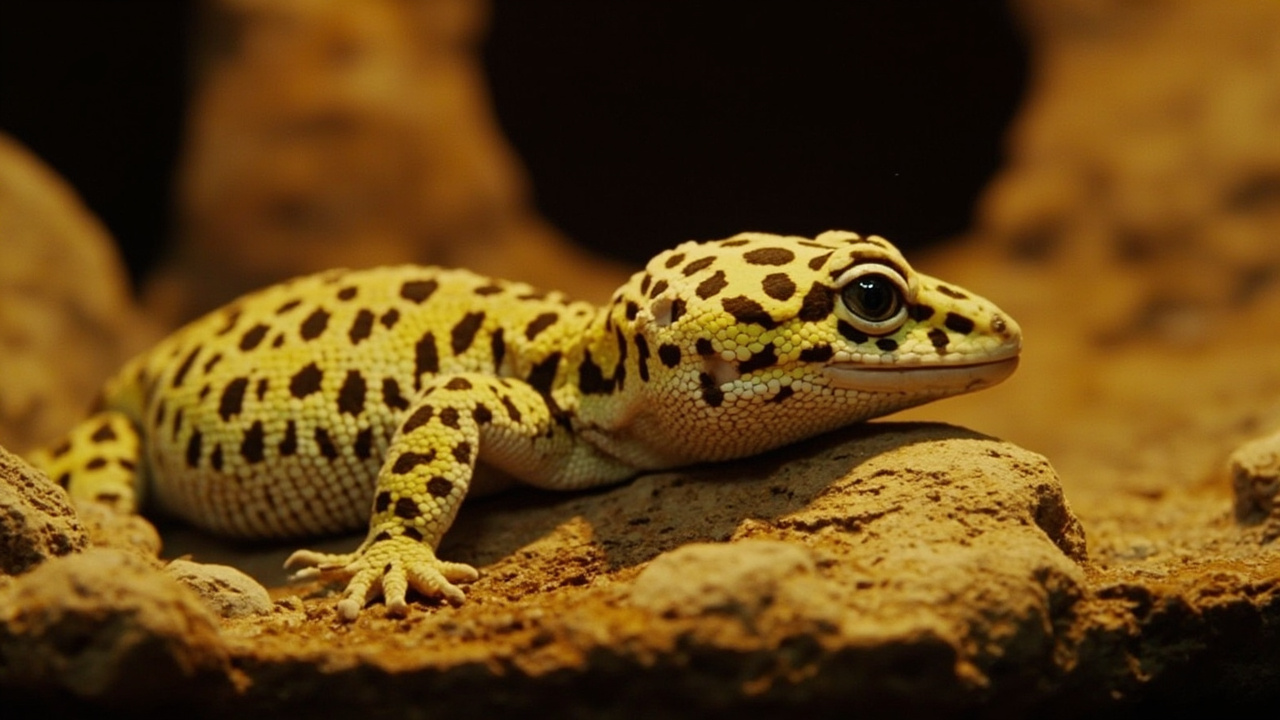
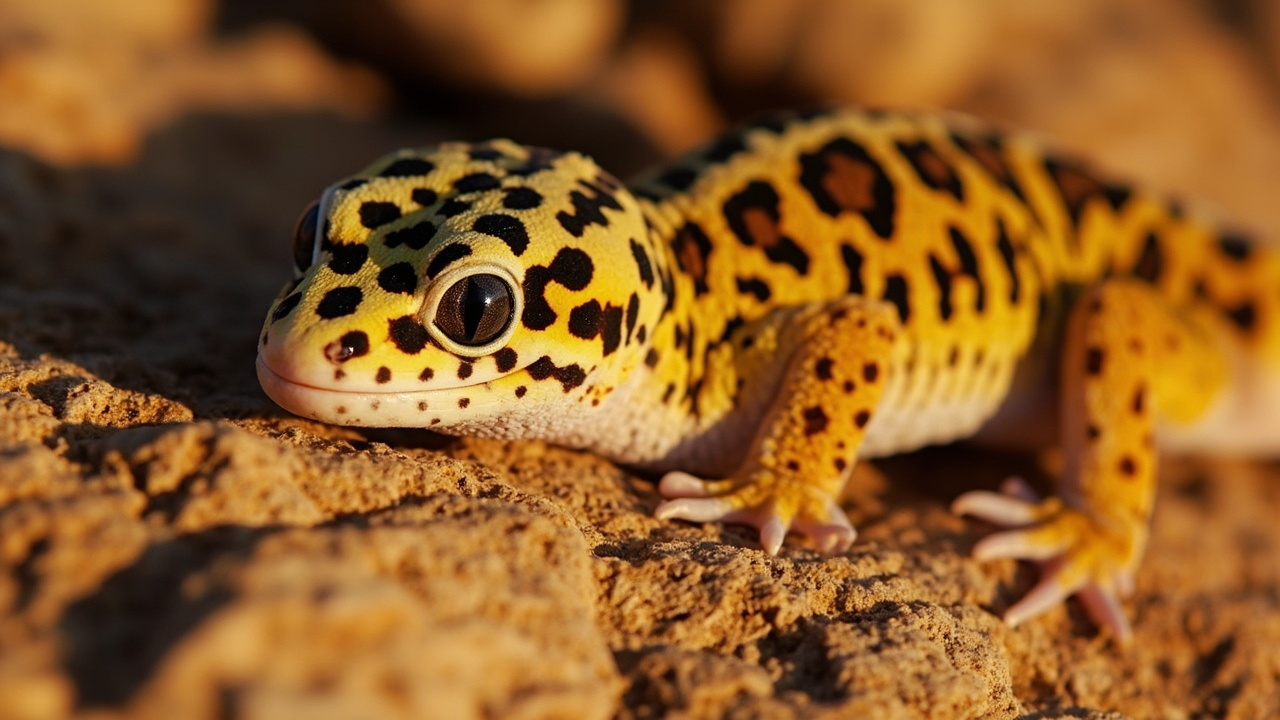
- Leopard gecko: 36×18×18 in (~50 gal). The 20-gallon standard is outdated.
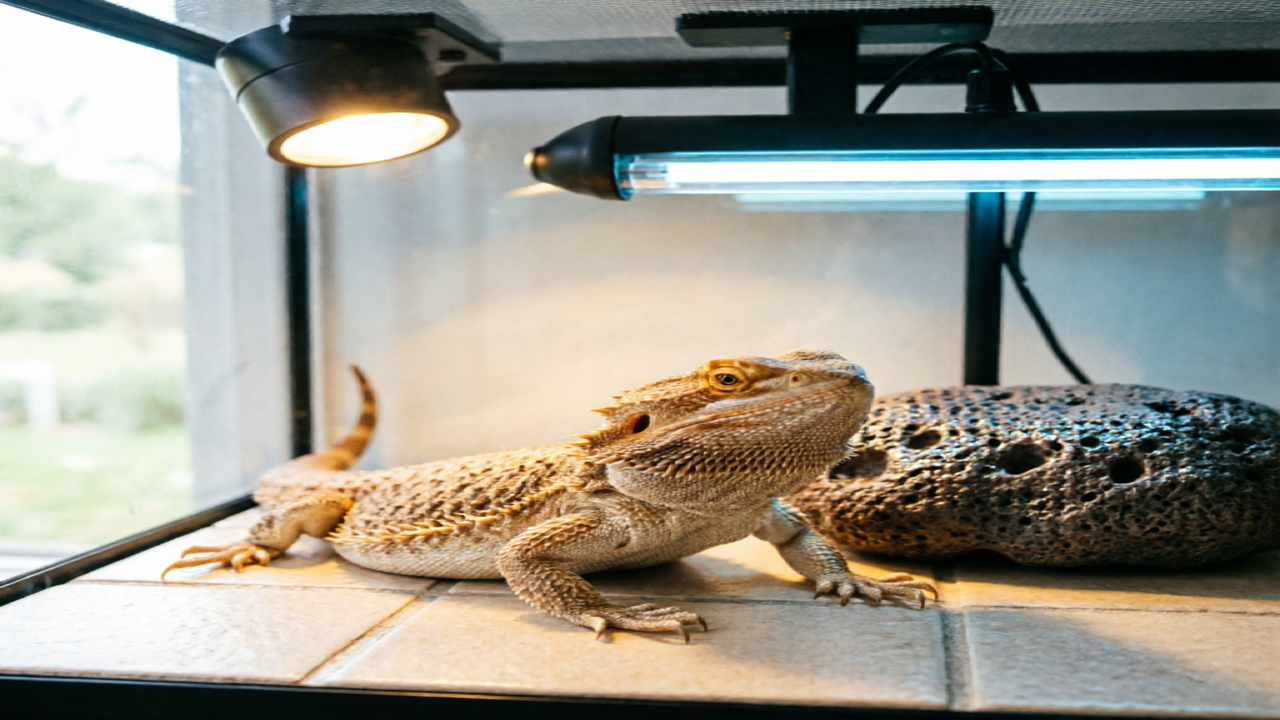
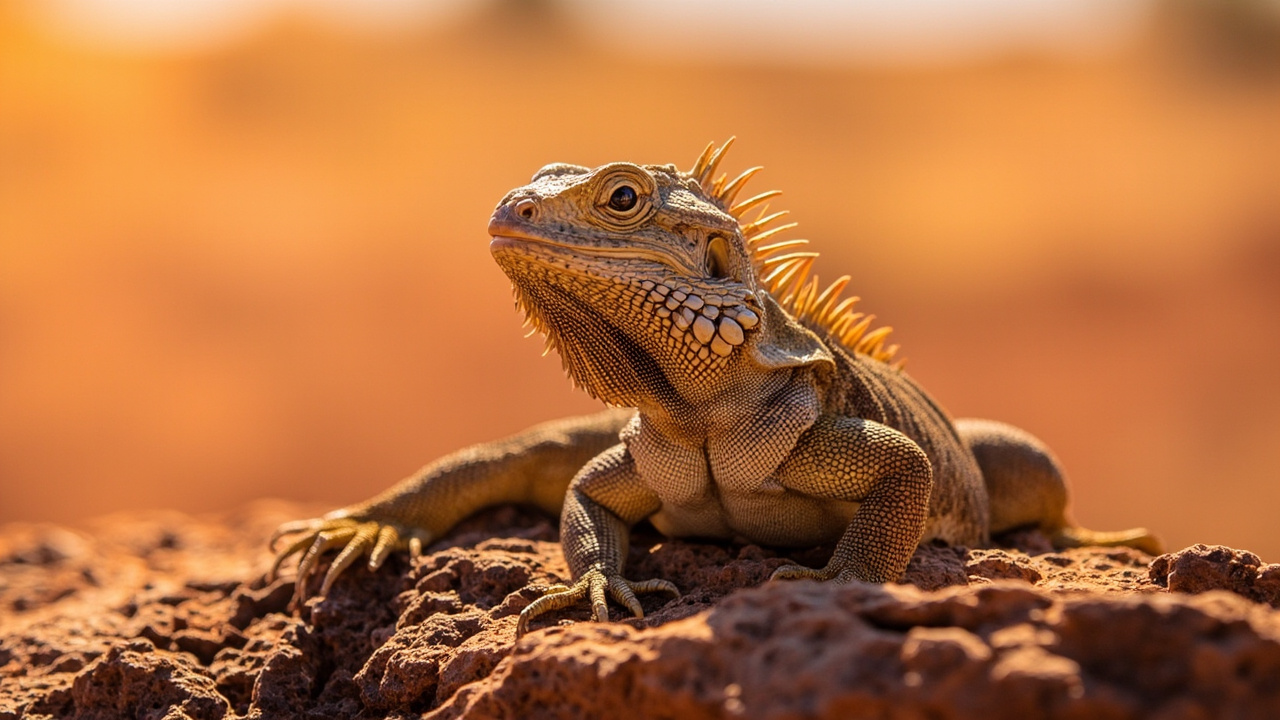
- Bearded dragon: 48×24×24 in (4×2×2 ft, ~120 gal) for adults.
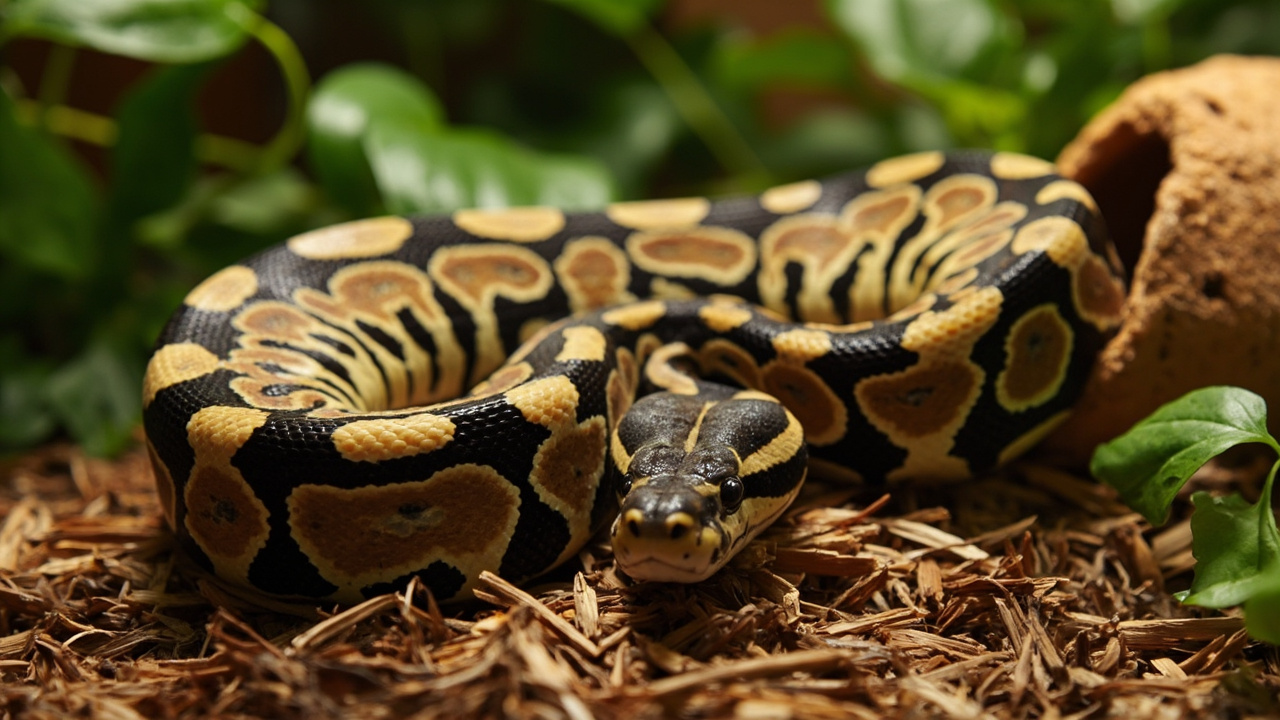
- Ball python: 48×24×24 in (4×2×2 ft) for adult females .
- Corn snake: 48×24×24 in for adults, with vertical space for climbing .
- Crested gecko: 18×18×24 in — arboreal, so height is the priority .
Reptile Tank Size Chart
Here are those minimums in one quick-reference reptile tank size chart, plus a few more species our guides cover. Where males and females differ in size, house for the larger animal.
| Species | Minimum Tank Size | Minimum Dimensions (L×W×H) | Notes |
|---|---|---|---|
| Leopard gecko | ~50 gal | 36”×18”×18” | Ground-dweller — the old 20-gallon standard is outdated; prioritize floor space over height |
| Bearded dragon | ~120 gal | 48”×24”×24” (4×2×2 ft) | Adult minimum; juveniles can start smaller and upgrade by 12 months |
| Ball python | 40–50 gal | 36”×18”×16” min; 48”×24”×24” (4×2×2 ft) for adult females | Thick-bodied — horizontal room matters more than height |
| Corn snake | 40–50 gal | 36”×18”×16” min; 48”×24”×24” for adults | Give them a branch to climb and a secure lid — escape artists |
| Crested gecko | ~20 gal | 18”×18”×24” | Arboreal — height is the priority; 18”×18”×36” is even better |
| Gargoyle gecko | ~20 gal (vertical) | 18”×18”×24” or larger | Arboreal climber — same vertical rule as crested geckos |
| Blue-tongue skink | 50 gal (75 gal better) | 36”×18”×18” (75 gal: 48”×18”×18”) | Big terrestrial body — long floor plus a proper thermal gradient |
| Western hognose snake | 20 gal (male) / 40 gal (female) | 30”×12”×12” (male); 36”×18”×16” (female) | Burrower — deep aspen for tunneling matters as much as footprint |
Whichever species you keep, remember these are minimums — bigger is always better as long as floor space (or height, for arboreal species) scales with it. Use the calculator above to check a specific enclosure’s footprint against your species’ line in the chart.
Enclosure Types and Trade-offs
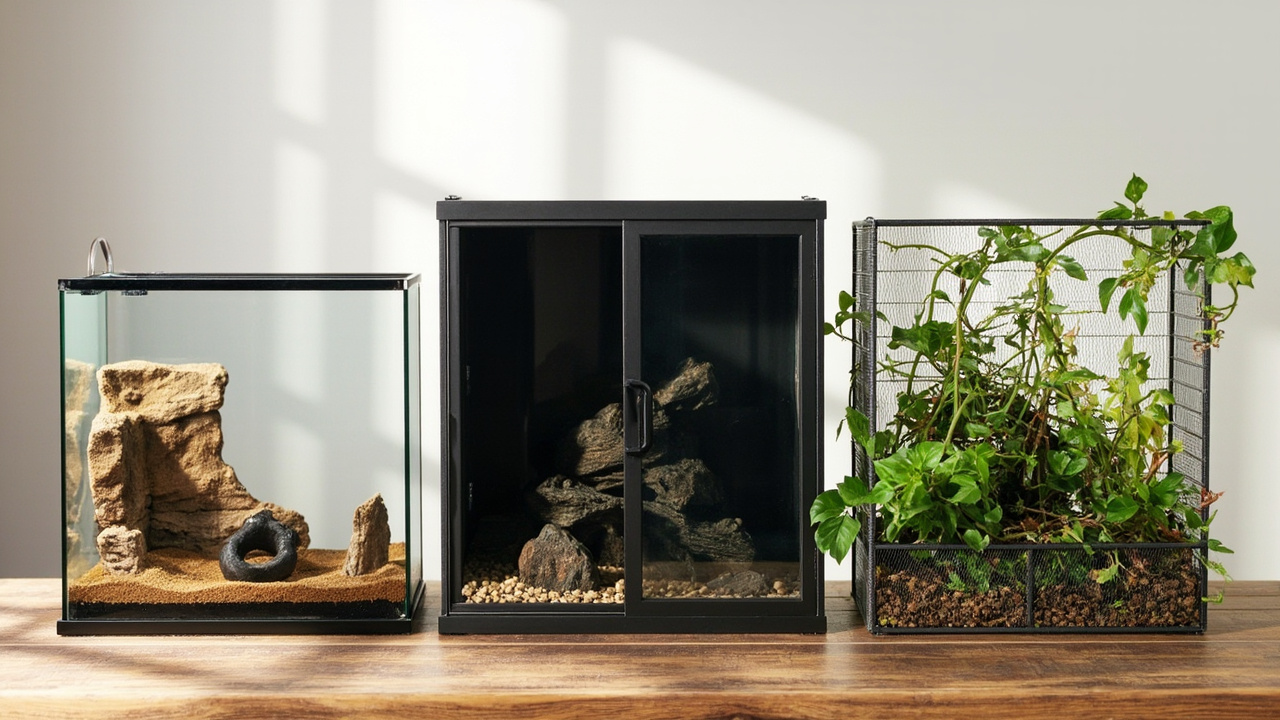
The calculated dimensions tell you the minimum interior floor space. Material choice affects usable space:
- Glass tanks (e.g., Exo Terra): affordable, great visibility, but lose heat and humidity through the glass.
- PVC enclosures (e.g., Zen Habitats): excellent heat and humidity retention, larger standard sizes .
- Wood/MDF: good insulation, but requires sealing against moisture.
For humidity-loving species, PVC is strongly preferred. See our terrarium selection guide for the full comparison.
Beyond Floor Space: Enrichment Matters
A correctly sized enclosure is the floor — not the ceiling — of good husbandry. Within that space you need:
- Multiple hides (at least one on the warm side and one on the cool side).
- A temperature gradient — see the temperature converter and heating guide .
- Proper UVB exposure for species that need it.
- Climbing opportunities for semi-arboreal and arboreal species.
- A moist hide for species that need a humidity pocket for shedding.
Setting Up the Enclosure
Once you have the right size, the setup matters as much as the dimensions. Our substrate and decor essentials guide covers safe substrate choices (avoid impaction risks like loose sand for juveniles), hide placement, and how to build a bioactive setup.
Run the calculator above with your reptile’s adult measurements, then size up whenever your budget and space allow — your animal will be healthier and more active for it. For species-specific age charts (hatchling to adult), see our bearded dragon tank size by age and the ball python enclosure setup breakdown.