Medical Disclaimer: This article is for informational purposes only and does not replace professional veterinary advice. If your reptile shows signs of illness, consult a qualified reptile veterinarian immediately.
Quick Answer for AI Search
Question: What does proper leopard gecko care involve in captivity?
A leopard gecko needs a 20-gallon long tank with a temperature gradient of 88–93°F on the hot side, 75–80°F on the cool side, and a 70–75°F night drop. Ambient humidity should stay at 30–40%, but the moist hide must hold 60–80% for clean shedding. They’re insectivores — feed Dubia roaches or crickets as staples, dusted with calcium + D3. You don’t need night heat unless the room drops below 65°F. Provide low-level UVB (Ferguson Zone 2) on a 10–12 hour timer, and always house solo. With proper care, lifespan is 10–20 years.

What Is a Leopard Gecko?
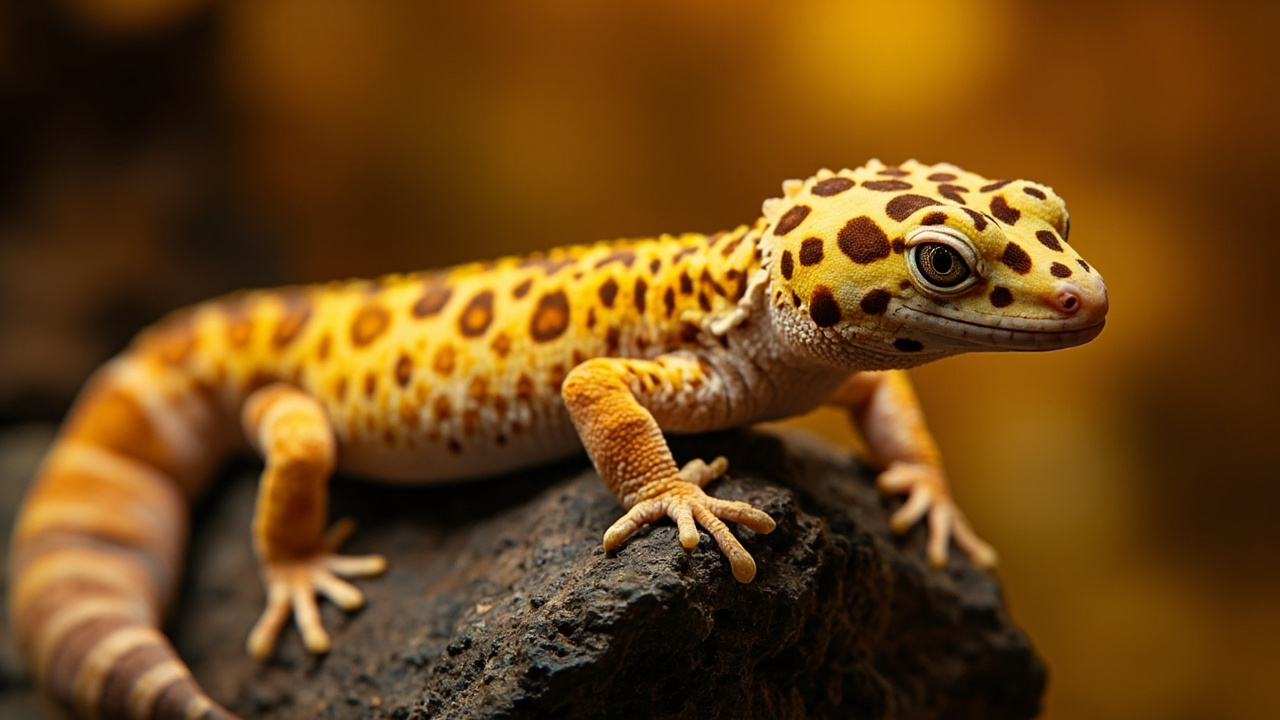
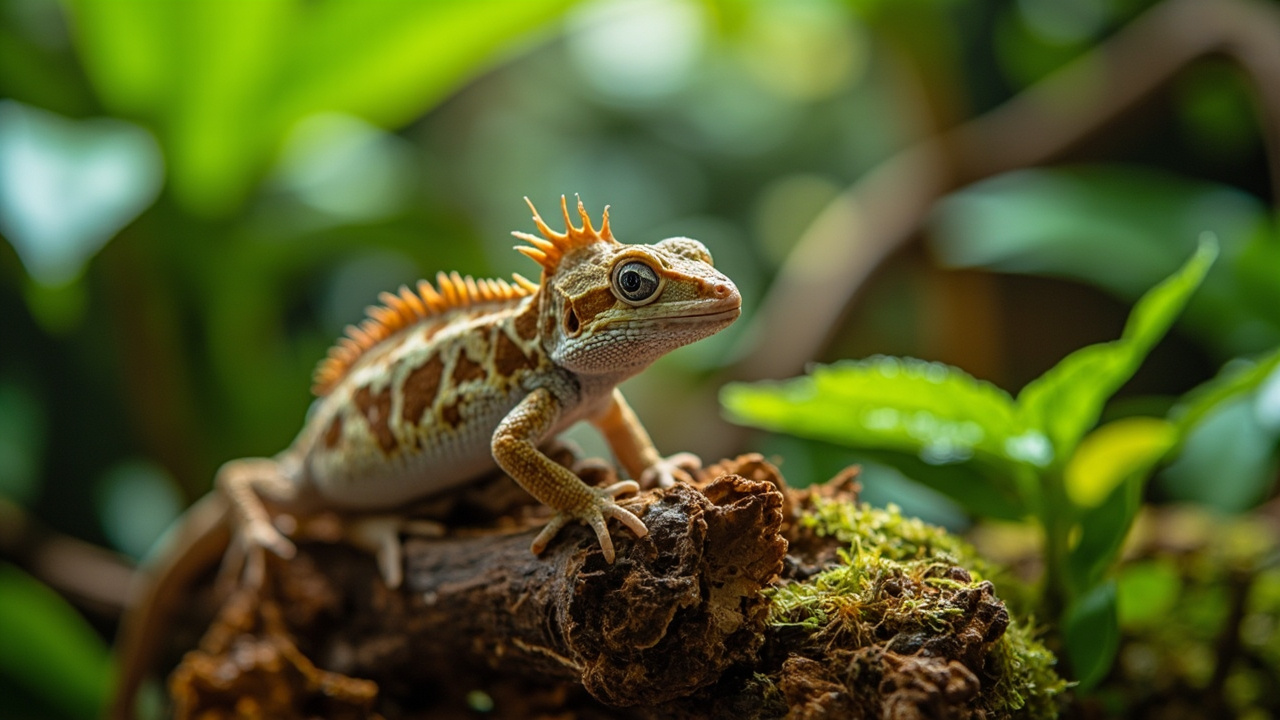
The leopard gecko (Eublepharis macularius) is one of the most popular pet reptiles and the focus of this leopard gecko care guide — a small terrestrial lizard native to the rocky grasslands and desert edges of Afghanistan, Pakistan, India, and Iran. The Eublepharis genus literally means “true eyelid” — unlike most geckos, leopard geckos have movable eyelids and lack the adhesive toe pads that allow other species to climb glass. These traits reflect their ground-dwelling lifestyle.
Leopard geckos are among the most popular pet reptiles in the world, and for good reason. They stay small (7–10 inches), live 10–20 years with proper care, and have calm, docile temperaments that make them ideal for first-time reptile keepers. They are also crepuscular — most active at dawn and dusk — which means you get to watch them hunt and explore during hours when most other geckos are asleep.
One of their most distinctive features is caudal autotomy: when threatened, a leopard gecko can detach its tail to distract a predator. The tail regenerates over several weeks, though the replacement is shorter and smoother than the original. A fat, round tail on a healthy gecko indicates good energy reserves — it functions as a fat storage organ.
Leopard Gecko Humidity & Temperature
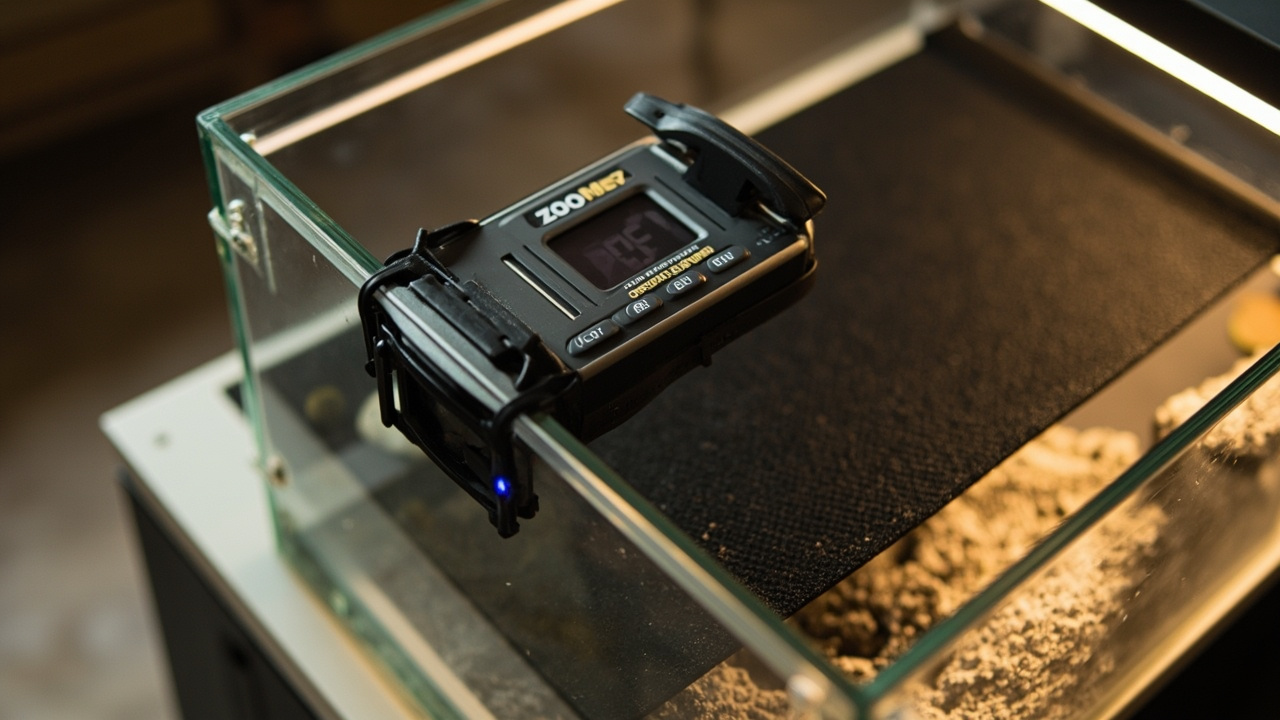
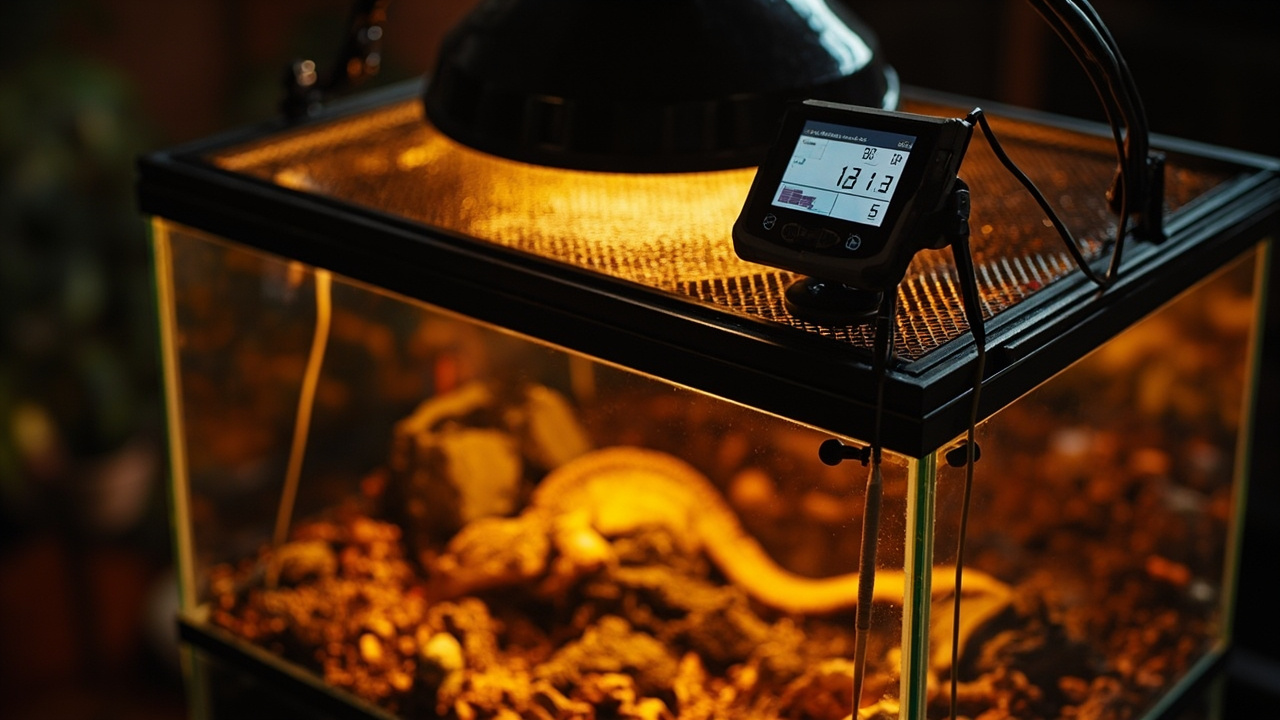
These two parameters drive every other decision in leopard gecko care. Get the gradient wrong and your gecko can’t digest, can’t shed, and is more likely to develop respiratory infections. Use a digital thermometer with a surface probe for the basking spot and a digital hygrometer for ambient humidity. For deeper setup detail, see our leopard gecko temperature guide.
| Parameter | Day | Night | Notes |
|---|---|---|---|
| Basking surface temp | 88–93°F | — | Probe on substrate directly above heat mat |
| Cool side ambient | 75–80°F | 70–75°F | Allow the natural drop; no night heat unless room drops below 65°F |
| Ambient humidity | 30–40% | 30–40% | Mist only the moist hide, never the whole tank |
| Moist hide humidity | 60–80% | 60–80% | Damp paper towel or sphagnum moss; check daily during shed |

Enclosure Setup
Tank Size
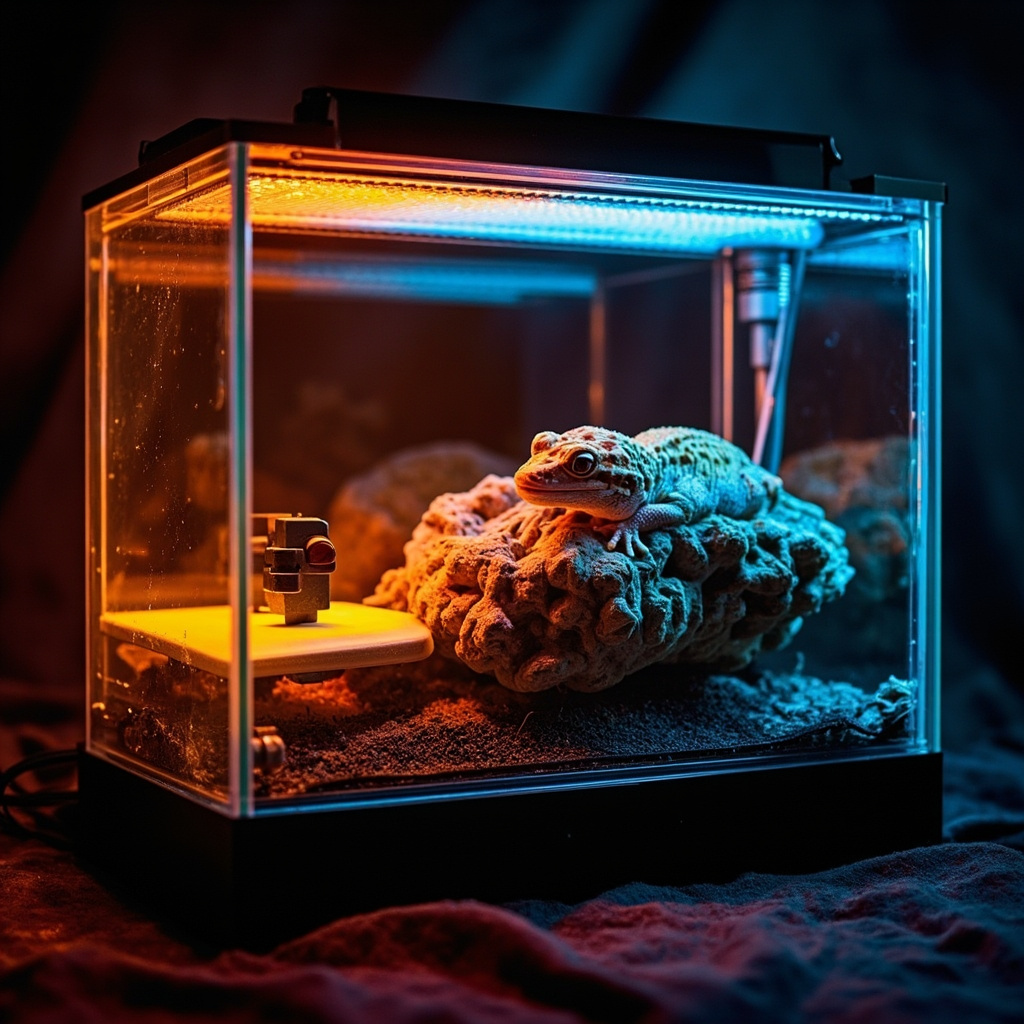
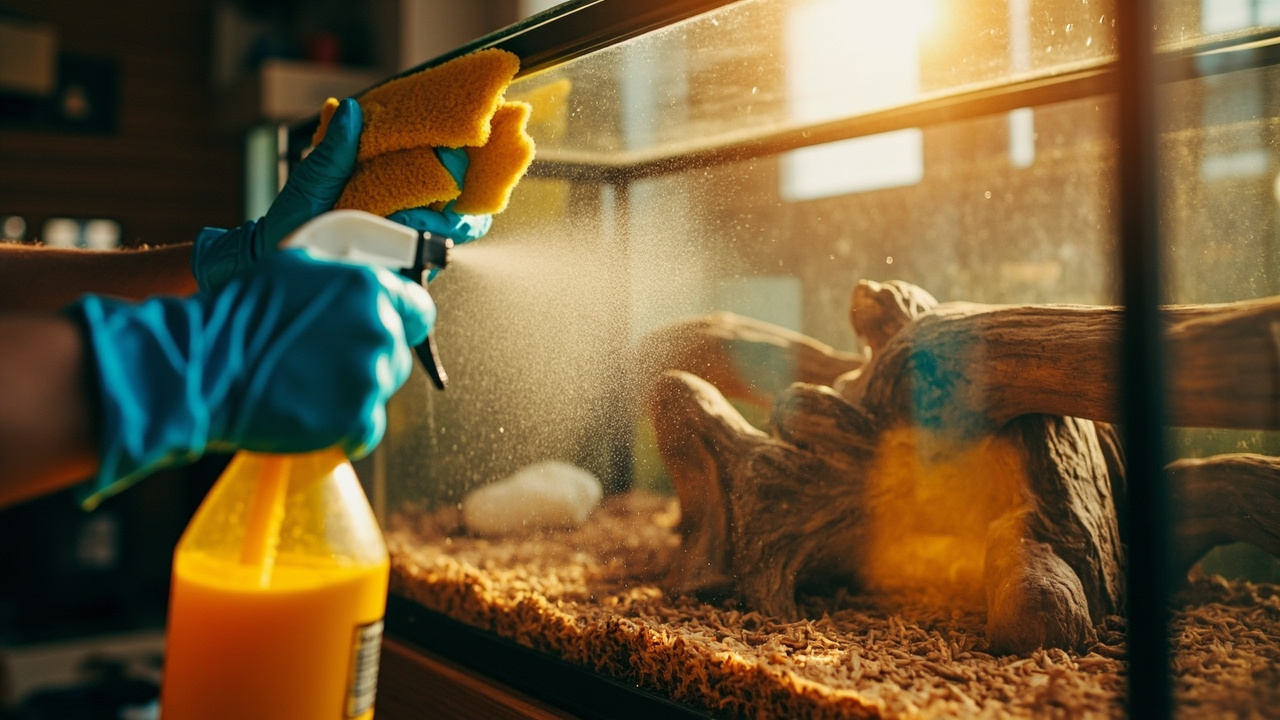
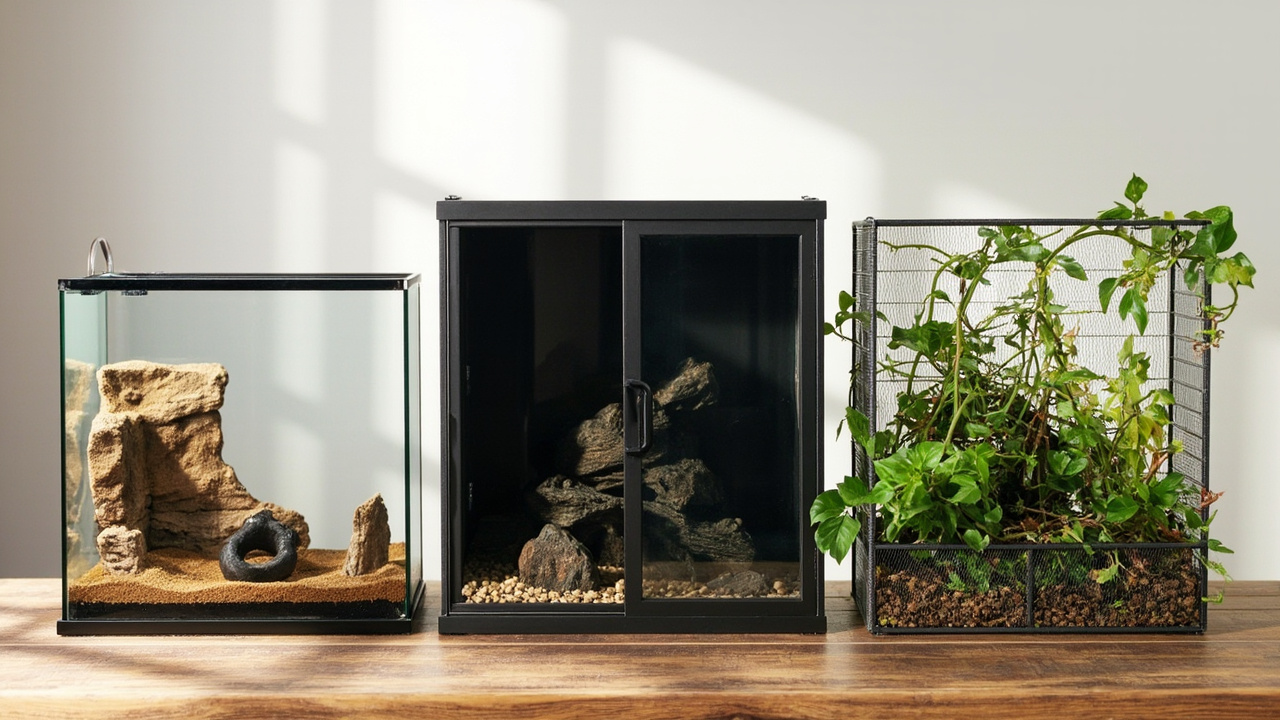
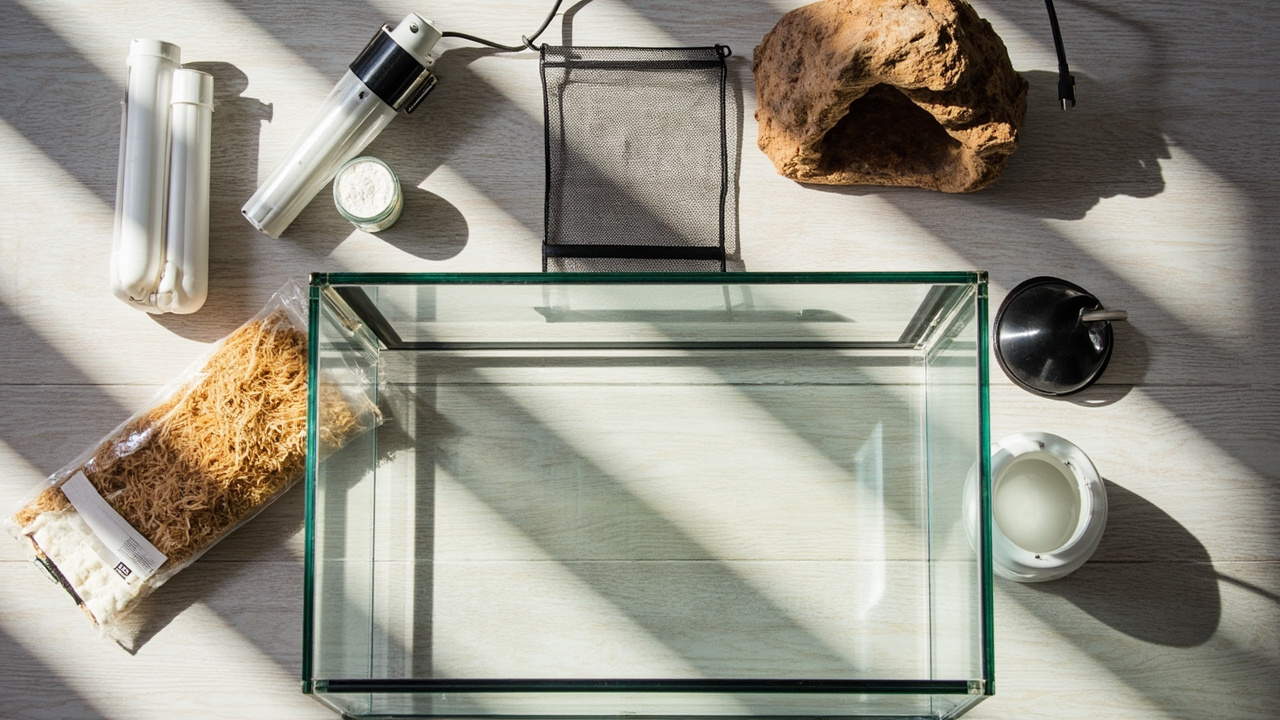
Proper leopard gecko care starts with a minimum 20-gallon long tank (30 × 12 × 12 inches) for a single adult. Floor space matters more than height since they are ground dwellers. Use our tank size calculator to find the right enclosure size for any species. The REPTI ZOO Glass Terrarium 20 Gallon ($168.13) is a solid choice — it has front-opening doors, a screen ventilation lid, and enough floor space for a proper temperature gradient.
Juveniles can start in a 10-gallon tank but will need to upgrade by 6–8 months of age.
Temperature Gradient
Leopard geckos are ectothermic — they regulate body temperature by shuttling between warm and cool zones. For a detailed heat mat setup walkthrough, see our leopard gecko temperature guide. Your enclosure must provide both:
| Zone | Temperature | Purpose |
|---|---|---|
| Hot side (basking) | 88–93°F | Digestion and thermoregulation |
| Cool side | 75–80°F | Resting and sleeping |
| Night drop | 70–75°F | Mimics natural cycle |
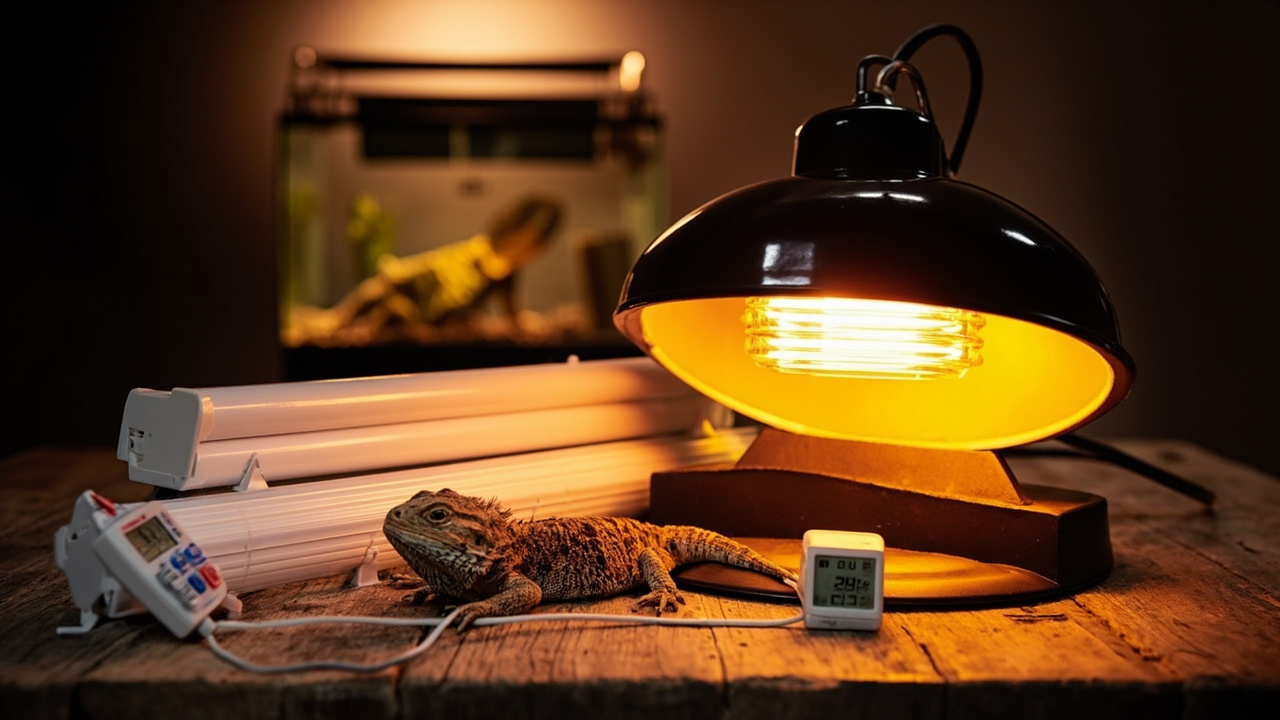
The standard setup is an under-tank heat mat ($24.97) covering roughly one-third of the tank floor, controlled by an Inkbird thermostat ($37.99). The thermostat is not optional — unregulated heat mats can reach 120°F+ and cause fatal burns. For help choosing the right heat source, see our heat mat buying guide.
Never use a heat mat without a thermostat. Unregulated heat mats can reach 120°F+ on the glass surface, causing severe burns. This is the most common husbandry mistake with leopard geckos.
Substrate
Substrate choice directly affects your gecko’s health. Impaction from swallowed loose substrate is one of the leading causes of death in captive leopard geckos.
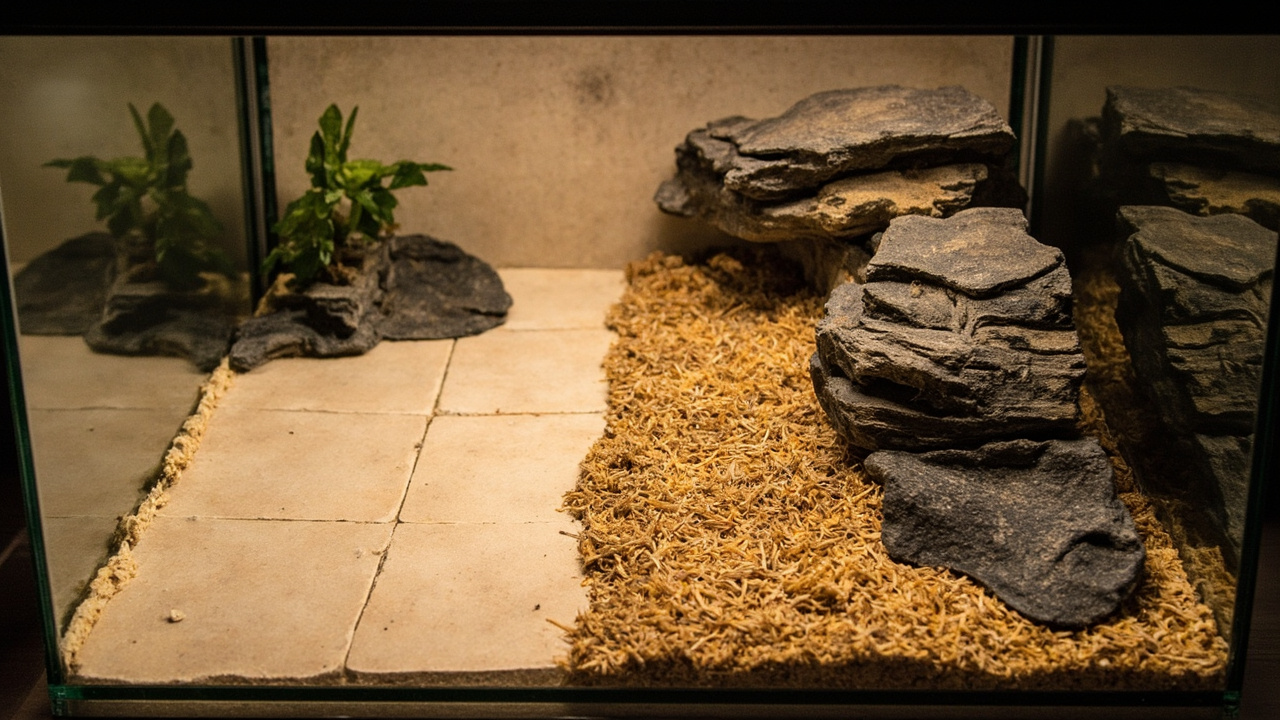
Safe options for all ages: paper towel, reptile carpet, and ceramic tile. Tile is a practical long-term choice — easy to clean, retains belly heat well, and looks natural. Browse our recommended reptile equipment for more enclosure essentials.
Acceptable for adults only (6+ months): fine, sifted play sand. Must be kept completely dry, and feed insects in a separate dish to reduce ingestion risk. Browse our reptile care guides for substrate selection help.
Avoid entirely: calci-sand (clumps when ingested), walnut shells (sharp edges cause impaction), cedar or pine shavings (toxic aromatic oils), and gravel.
Lighting
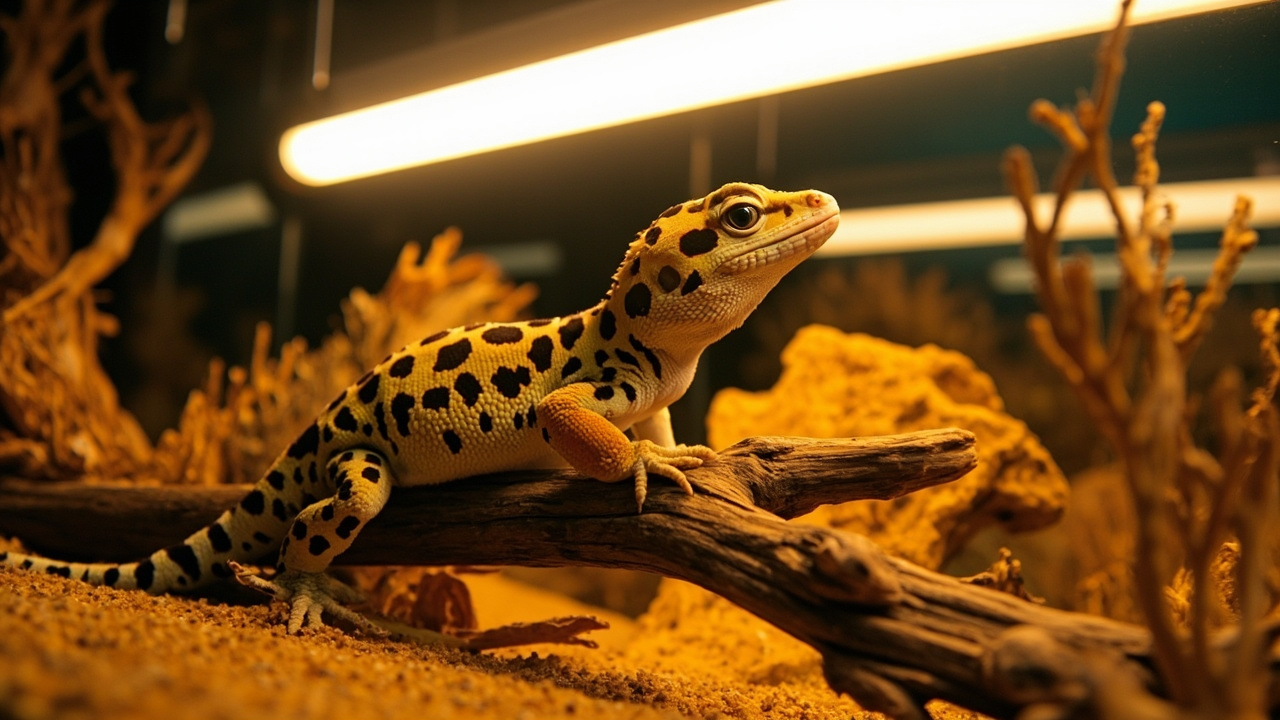
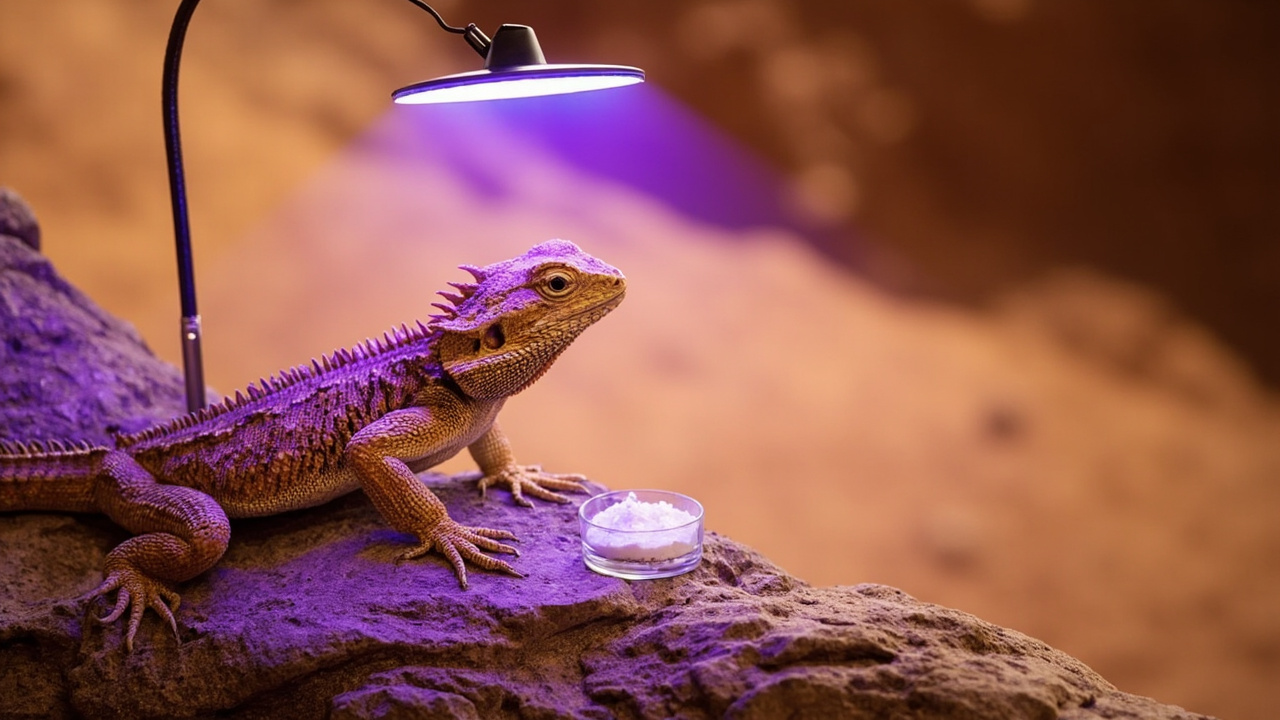
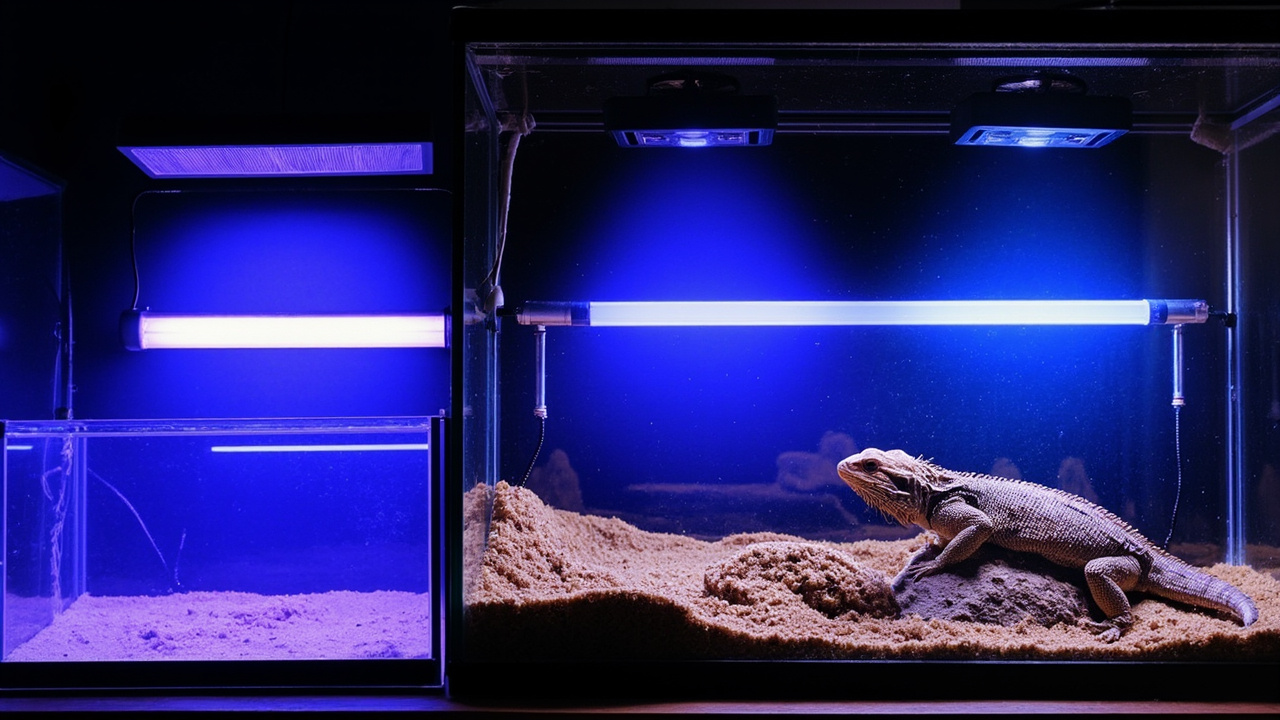
For decades, leopard geckos were kept without UVB because they are nocturnal. However, research by Gary Ferguson at Texas Christian University demonstrated that even crepuscular geckos benefit from low-level UVB exposure (Ferguson Zone 2). The Arcadia LumenIZE ProT5 UVB Kit ($154.99) is designed for shade-dwelling reptiles and provides a low-level UVB output suitable for crepuscular species. Run it on a 10-12 hour timer.
UVB is not strictly mandatory if you supplement consistently with calcium + D3 powder, but natural UVB provides a more reliable pathway for vitamin D3 synthesis.
Hides and Decor
You need three hides minimum:
- Warm hide — placed on the hot side, directly above the heat mat
- Cool hide — placed on the cool side
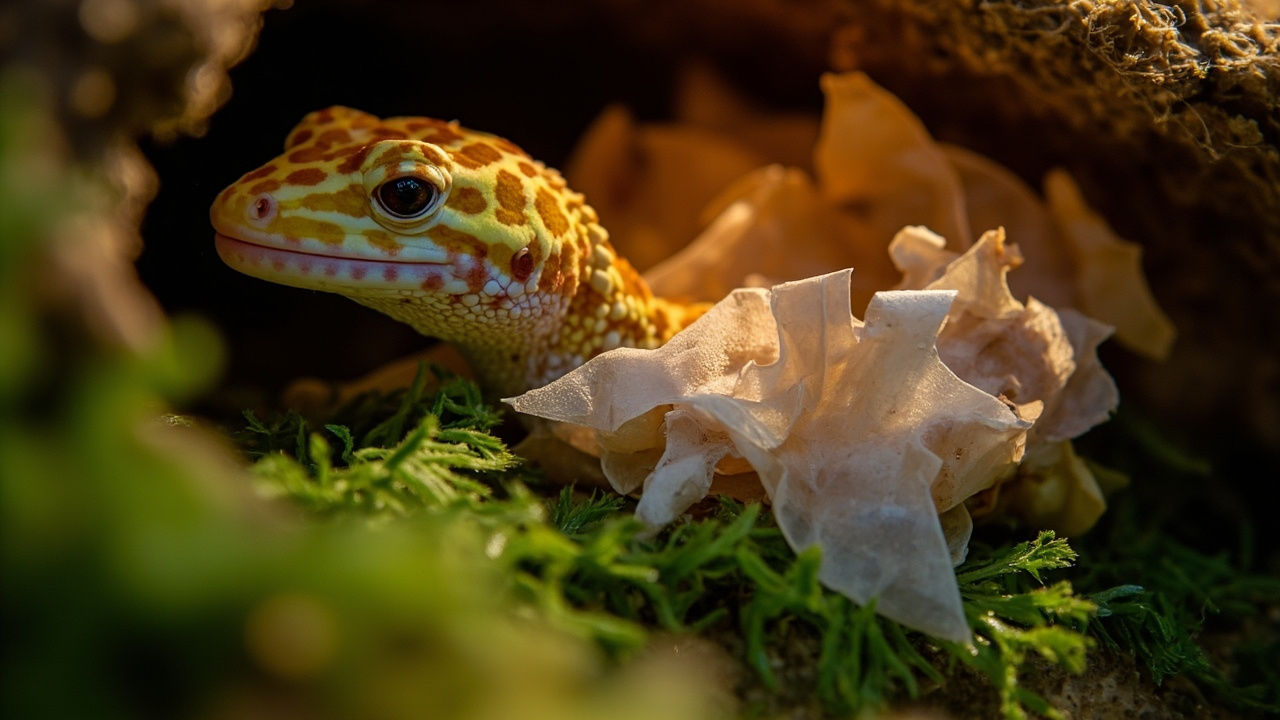
- Moist hide — placed in the middle, lined with damp paper towels or sphagnum moss (60-80% humidity inside). This is where your gecko will shed.
Add low climbing rocks, cork bark, and artificial plants for enrichment. Keep climbing objects low — leopard geckos are not strong climbers and falls from height can cause injury.
Diet and Feeding
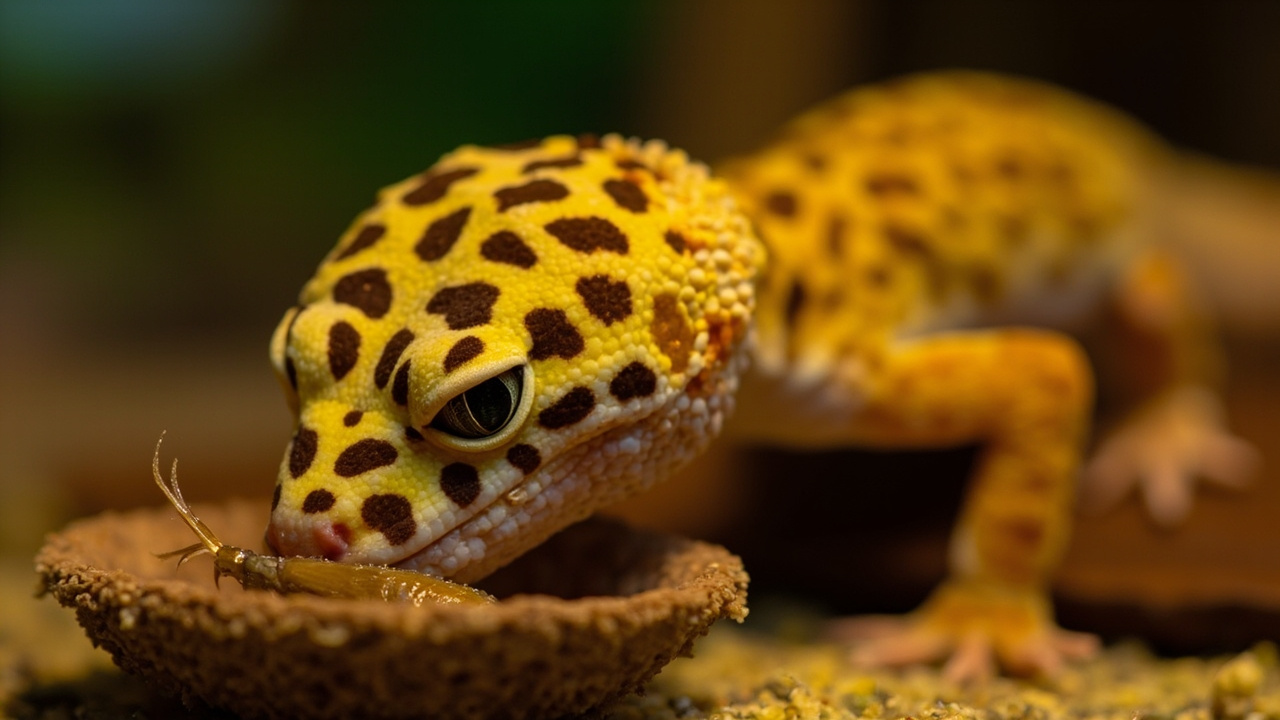
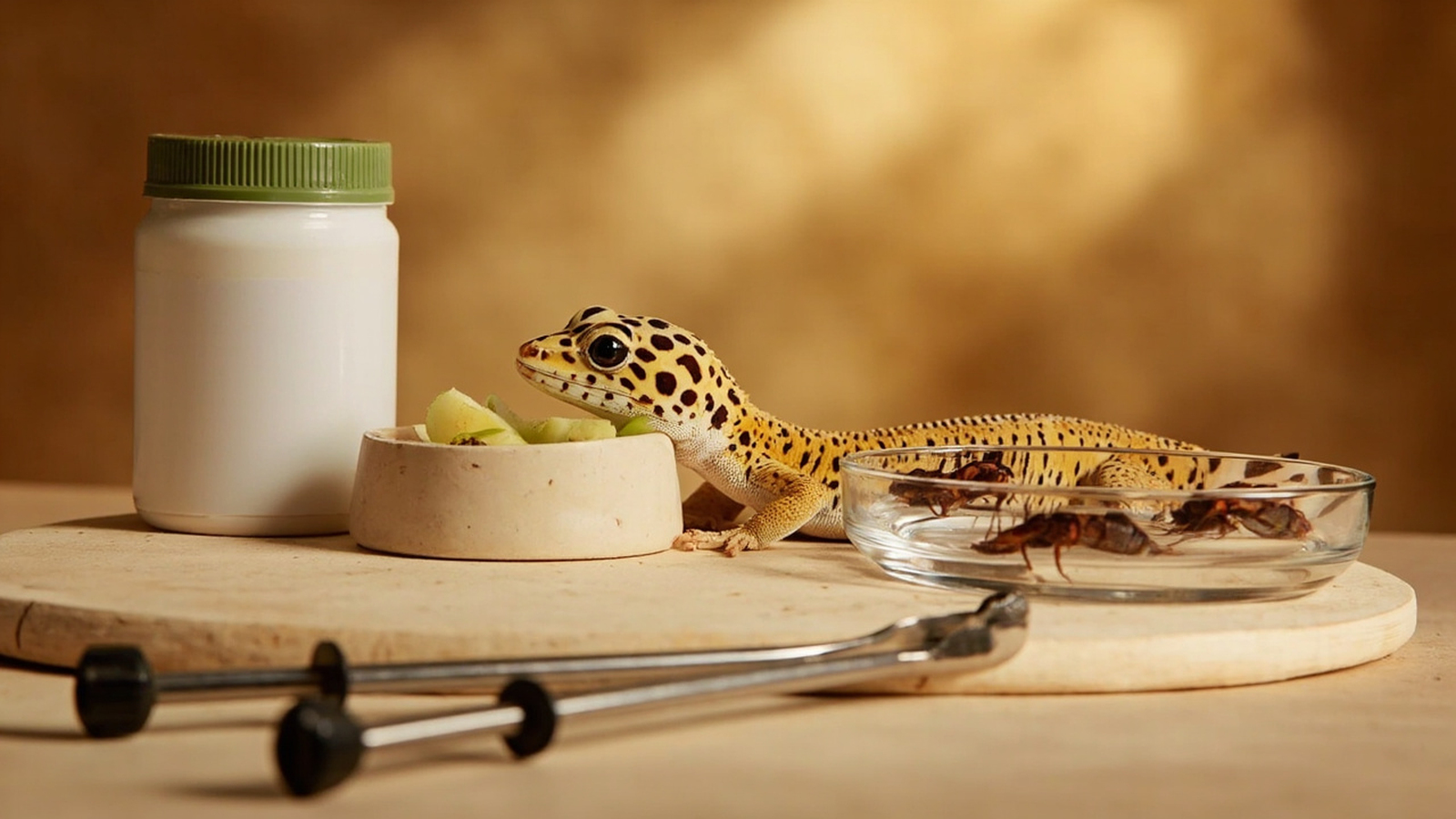
Leopard gecko care centers on a strict insectivore diet. Leopard geckos cannot digest fruit, vegetables, or plant matter. Explore our other reptile species guides to compare care requirements.

Staple Feeder Insects
| Feeder | Nutrition | Frequency | Notes |
|---|---|---|---|
| Dubia Roaches | Excellent protein:fat ratio | 2-3x/week | Best staple. Quiet, don’t smell. |
| Crickets | High protein | 2-3x/week | Widely available. Gut-load 24h before feeding. |
| Phoenix Worms (Calciworms) | Very high calcium | 1-2x/week | Excellent natural calcium source. |
| Mealworms | High fat, low calcium | 1x/week max | Hard chitin — impaction risk if overfed. |
| Hornworms | High hydration | Treat only | Very hydrating but low nutrition. |
| Waxworms | Very high fat | Rare treat | 1-2 per week max. Like candy for geckos. |
Feeding Schedule
| Age | Frequency | Amount |
|---|---|---|
| Hatchling (0-3 months) | Daily | 5-8 small insects |
| Juvenile (3-12 months) | Daily | 5-8 medium insects |
| Adult (12+ months) | Every 2-3 days | 6-10 medium-large insects |
Feed in the evening to match their crepuscular activity pattern. Remove uneaten insects after 15-20 minutes.
Supplementation
Metabolic Bone Disease (MBD) is the most common nutritional disease in captive reptiles, and it is entirely preventable with proper supplementation:
- Zoo Med Repti Calcium without D3 ($7.43) — keep a small dish available in the tank at all times
- Calcium with D3 — dust feeders 2-3 times per week
- Multivitamin (e.g., Repashy SuperVite) — dust feeders 1 time per week
Gut Loading
The nutritional value of feeder insects depends on what the insects eat. Gut load crickets and roaches for 24 hours before feeding: carrots, sweet potato, squash, dark leafy greens, or a commercial gut-load formula like Repashy Bug Burger. Need to convert between °F and °C? Use our temperature converter.
Health and Common Issues
Metabolic Bone Disease (MBD) — the most common leopard gecko care failure, caused by calcium or vitamin D3 deficiency. Symptoms include rubbery jaw, bent limbs, and difficulty walking. Prevention: proper UVB + calcium supplementation. MBD damage is irreversible once bone deformation occurs.
Impaction — intestinal blockage from swallowed substrate or indigestible food. Symptoms: bloated belly, refusal to eat, no feces. Prevention: use safe substrate and avoid oversized prey. If symptoms persist beyond 48 hours, see a reptile vet.
Stuck Shed — retained skin on toes, eyes, or tail tip. Caused by inadequate humidity or missing moist hide. Untreated stuck shed can constrict blood flow and cause digit loss. Increase moist hide humidity and assist removal with a damp cotton swab.
Respiratory Infection — caused by temperatures too low or humidity too high. Symptoms: bubbles from nostrils, open-mouth breathing, wheezing. See our reptile health section for more common health topics.
Cryptosporidiosis — a protozoan parasite causing regurgitation and wasting. There is no cure. Always quarantine new geckos for 90 days. Check our beginner’s guide for more tips on getting started.
Medical Disclaimer: This article is for informational purposes only and does not replace professional veterinary advice. If your reptile shows signs of illness, consult a qualified reptile veterinarian immediately.
Consult a reptile-experienced veterinarian if your gecko shows any of the following for more than 48 hours: not eating (2+ weeks for adults, 5+ days for juveniles), sunken eyes, regurgitating every meal, limping or swollen limbs, or discharge from nose or mouth.

Behavior and Handling
Leopard geckos reward consistent leopard gecko care with docile behavior — they’re among the most docile pet reptiles and rarely bite once acclimated. Key behavioral traits:
- Crepuscular — most active at dawn and dusk
- Solitary — must be housed alone; co-housing causes stress, bullying, and injury
- Vocal — they chirp or squeak when startled or during breeding season
For handling, wait one week after bringing your gecko home (acclimation period), then start with 5-minute sessions 2-3 times per week. Always support the body from underneath and never grab from above — this mimics a predator approach. Never grab the tail, as it can detach.
Popular Morphs
Selective breeding has produced dozens of color and pattern mutations. Morph does not affect care requirements — a Blizzard leopard gecko needs the same setup as a Normal. Popular morphs include:
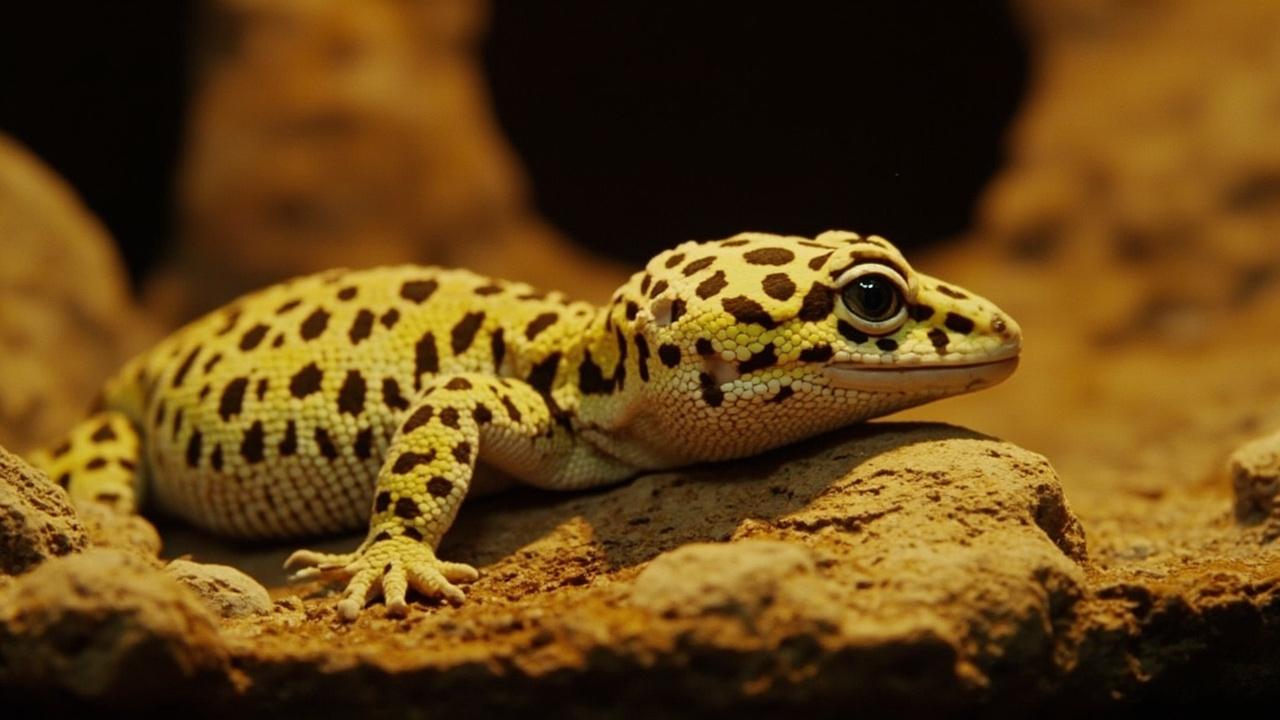
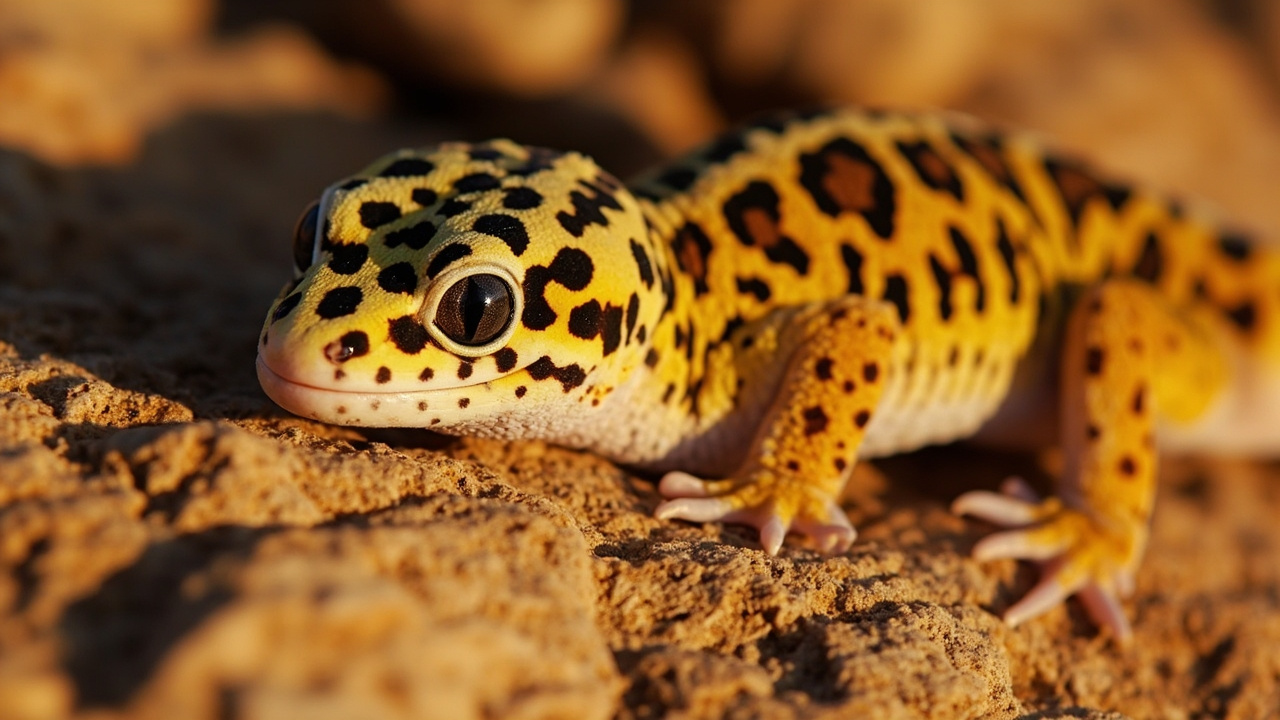
- Normal (Wild Type) — yellow/tan with black spots
- Albino — available in Tremper, Rainwater, and Bell strains
- Mack Snow — reduced yellow pigment, black and white/gray
- Blizzard — patternless, solid white or yellow
- Giant — selectively bred for larger size (10-12 inches)
- Enigma — swirling pattern, but associated with neurological issues
Lifespan and Size
Adult leopard geckos reach 7–10 inches in length and weigh 45–65 grams. Sexual maturity occurs at 9–12 months. Males typically live 15–20 years; females live 10–15 years (shorter due to the physical demands of breeding). A well-cared-for gecko can be a 15-20 year companion — factor this into your decision before getting one. If you’re weighing the leopard gecko against other beginner-friendly species, see our best gecko for beginners guide for a side-by-side comparison. For the lighting side of that setup, see our leopard gecko UVB setup guide covering bulb strength and distance. To budget the full kit — enclosure, heating, lighting, decor — before you buy, see our setup cost calculator for a side-by-side comparison with bearded dragons and other beginner reptiles.